Constant exposure to traumatic events, danger, and human suffering does not pass without leaving a mark. And the scale of this impact is far greater than it may seem.
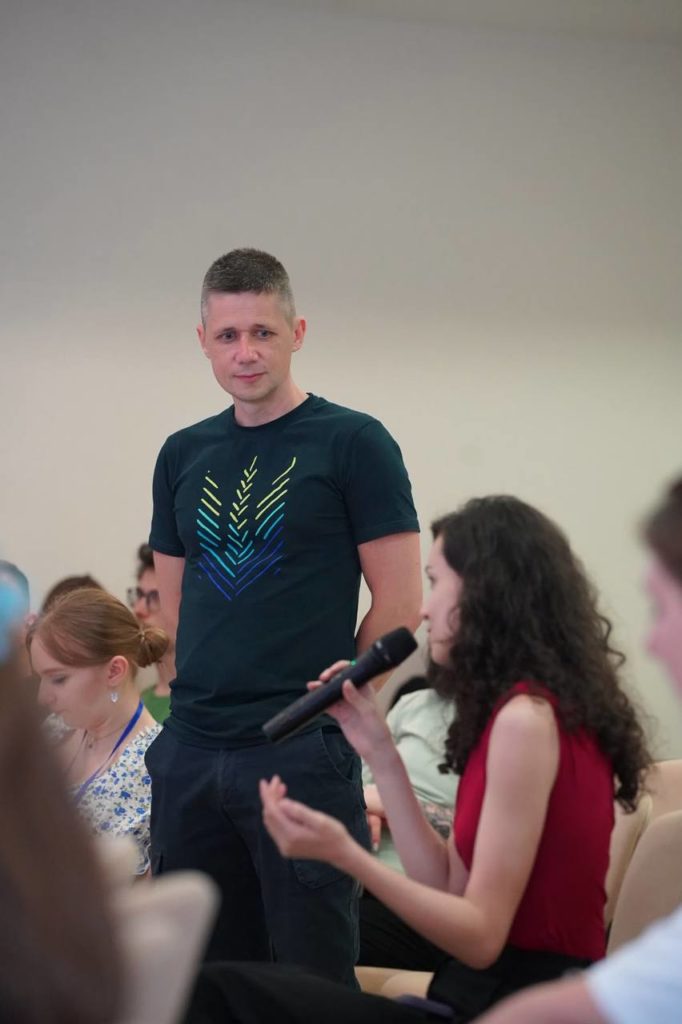
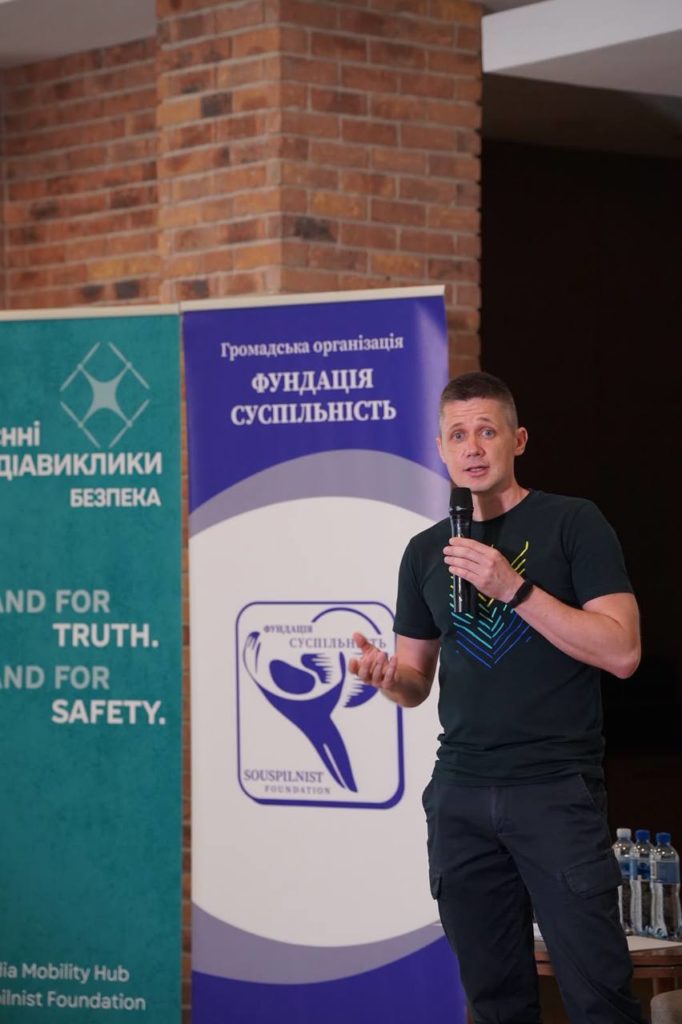
This was the focus of the discussion at the “War Media Challenges 2026: Security” forum during the presentation panel “The landscape of journalists’ psychological well-being: identifying unique stressors, presenting MSM research and the programme.”
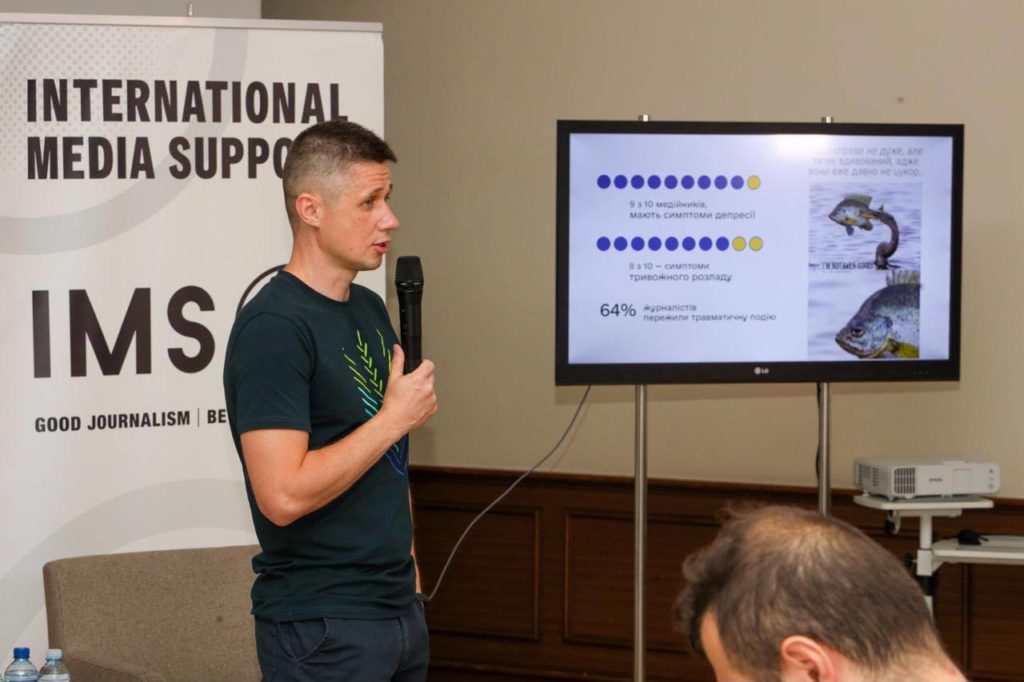
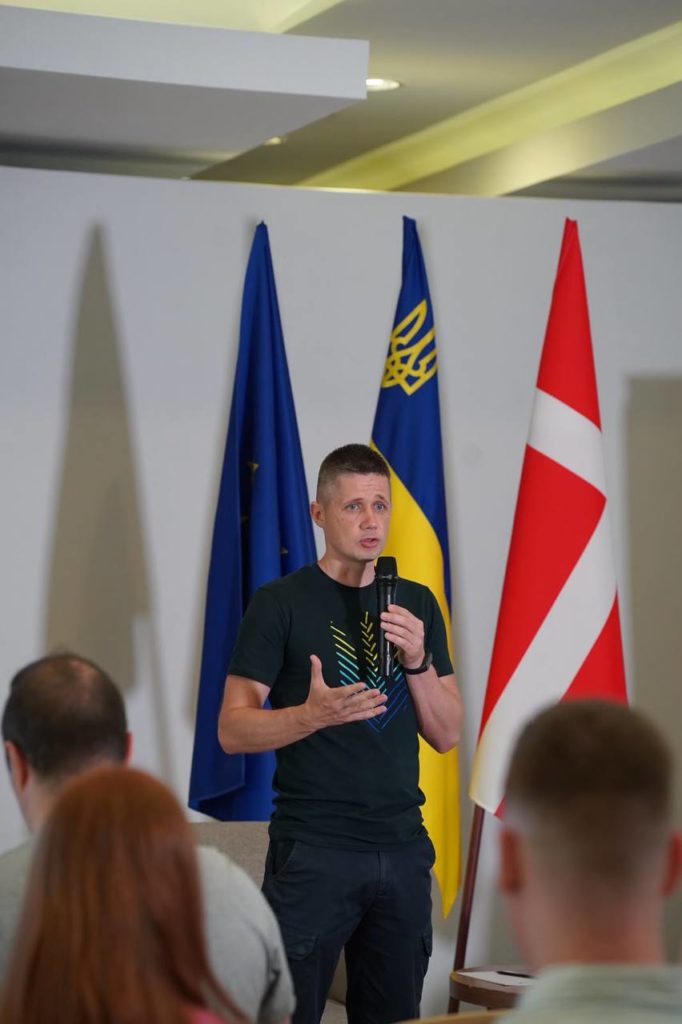
Andrii Sydorenko, Head of the Mental Support for Media programme, presented research findings on the psychological well-being of Ukrainian media professionals. The figures reveal the scale of the problem: 9 out of 10 respondents show symptoms of depression, while 8 out of 10 show symptoms of an anxiety disorder. Some 64% of journalists have experienced a traumatic event, and 44% report intrusive memories related to it, which may indicate a risk of developing PTSD.
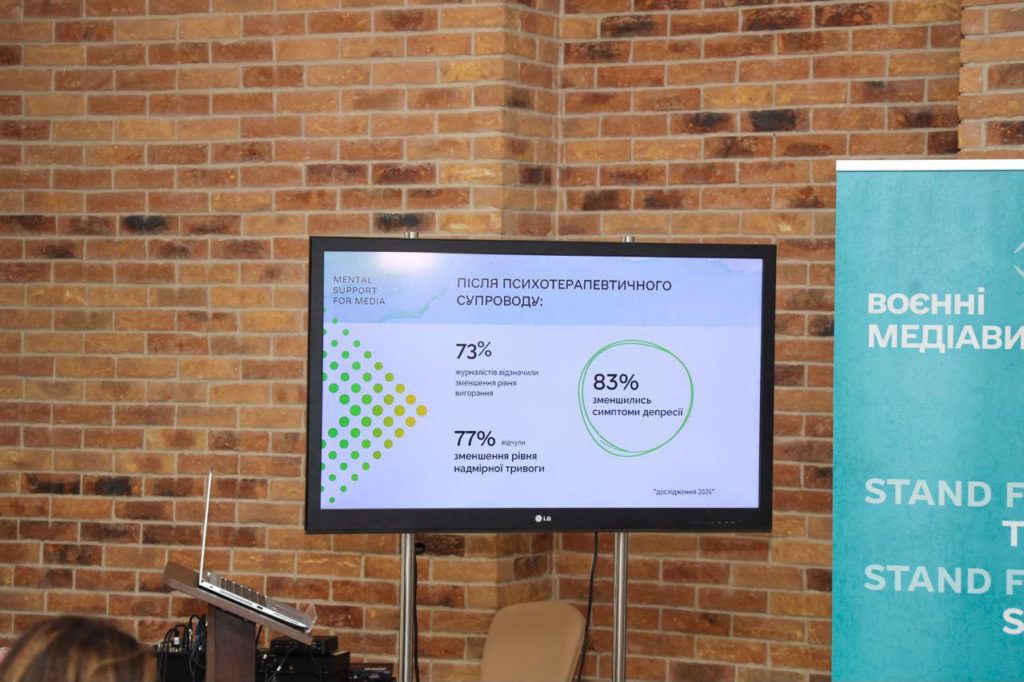
However, it is important to talk not only about the challenges, but also about solutions. The results of the MSM programme evaluation confirm that systematic psychological support can bring tangible improvements: 83% of participants reported a reduction in symptoms of depression, 77% in symptoms of anxiety disorders, and 73% in burnout levels.
Psychological strain should not become a “professional norm” that journalists are expected to cope with on their own. Timely support helps them not only recover, but also continue their work without living in a state of constant exhaustion.