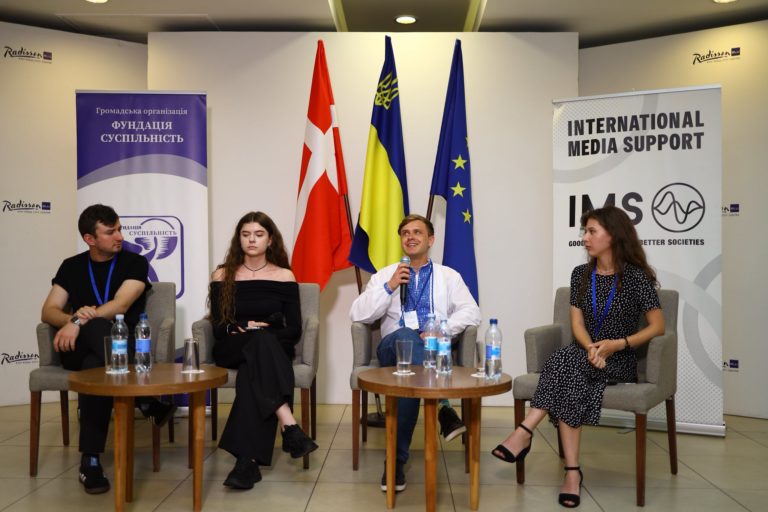
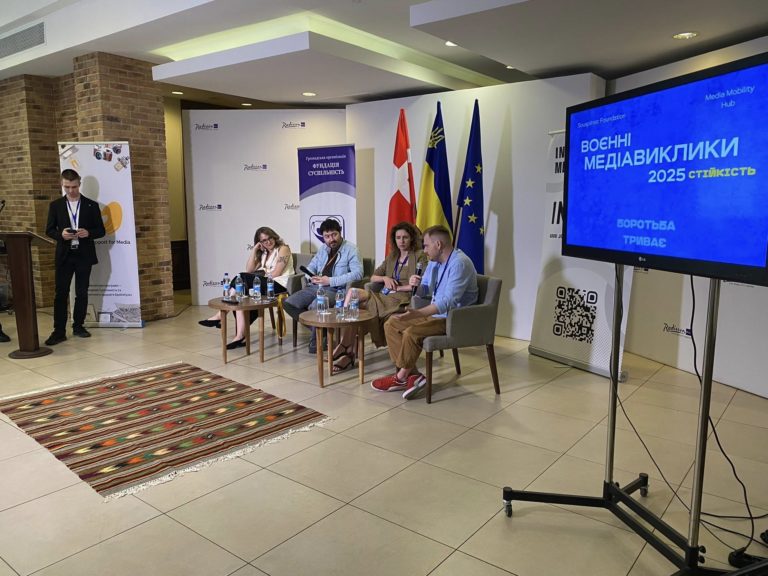
What new developments have emerged in journalism education? These were the topics discussed by the speakers of the first two panels at the #WARTIMEMEDIACHALLENGES2024 conference.
Andrii Kulykov, co-founder of Hromadske Radio, shared his view that journalism itself hasn’t changed, but our perception of it has.
Natalia Lyhachova, editor-in-chief of Detector Media, emphasized that much has changed in journalism: from the faces representing Ukrainian journalism to the main platforms used for work. “The influence of social media has blurred standards, with clickbait becoming more important than accuracy.
Journalism has been changed by the war, especially the full-scale one. A new challenge has emerged that has to be urgently addressed – the safety of journalists working in combat zones. Over these 10 years, Ukrainian newsrooms have developed practices that can be shared with others, including foreign media,” said Olena Removska, author of the “Removska Interview” program.
Anna Soroka, a journalist at Nashi Hroshi, focused on the development of investigative journalism: “There’s enough work in investigative journalism for everyone. And it’s not because we have a lot of corruption, but because it’s more visible to us, and because we care.”
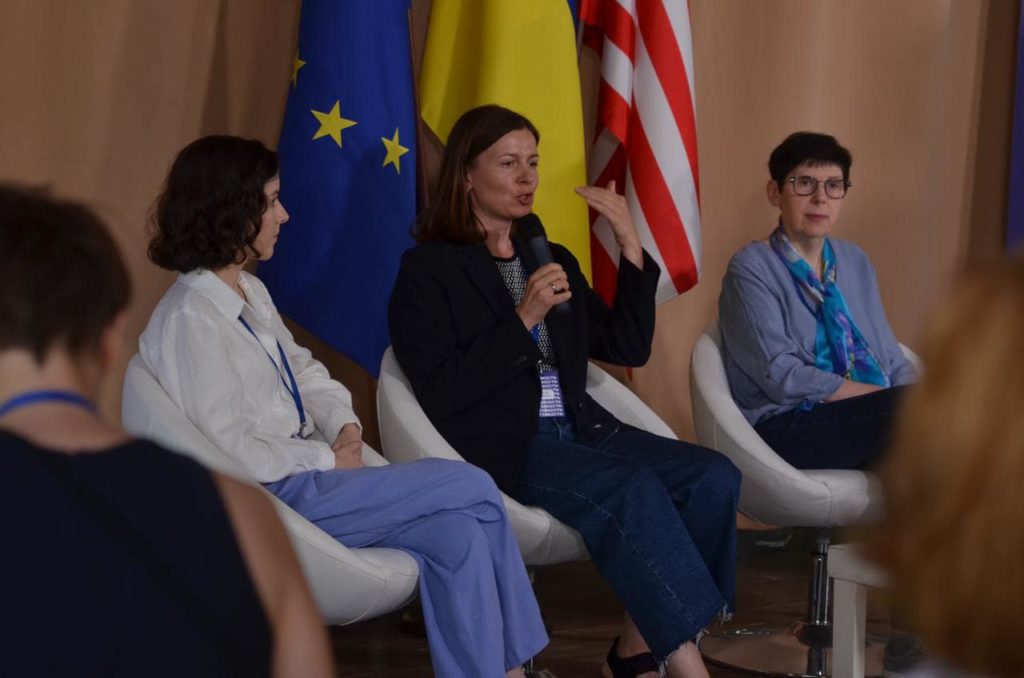
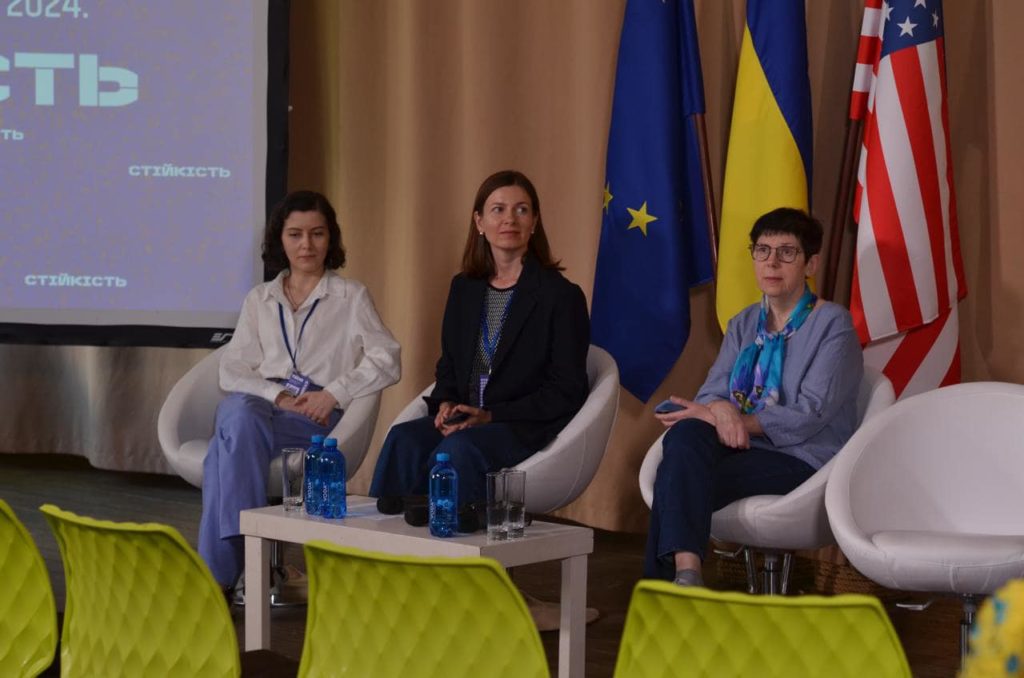
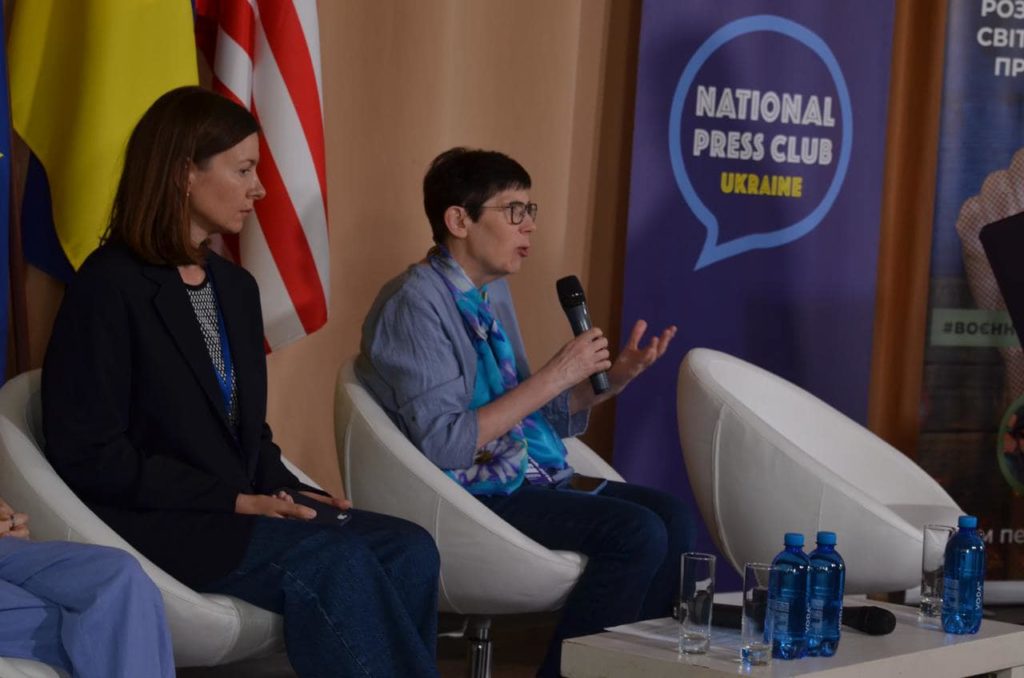
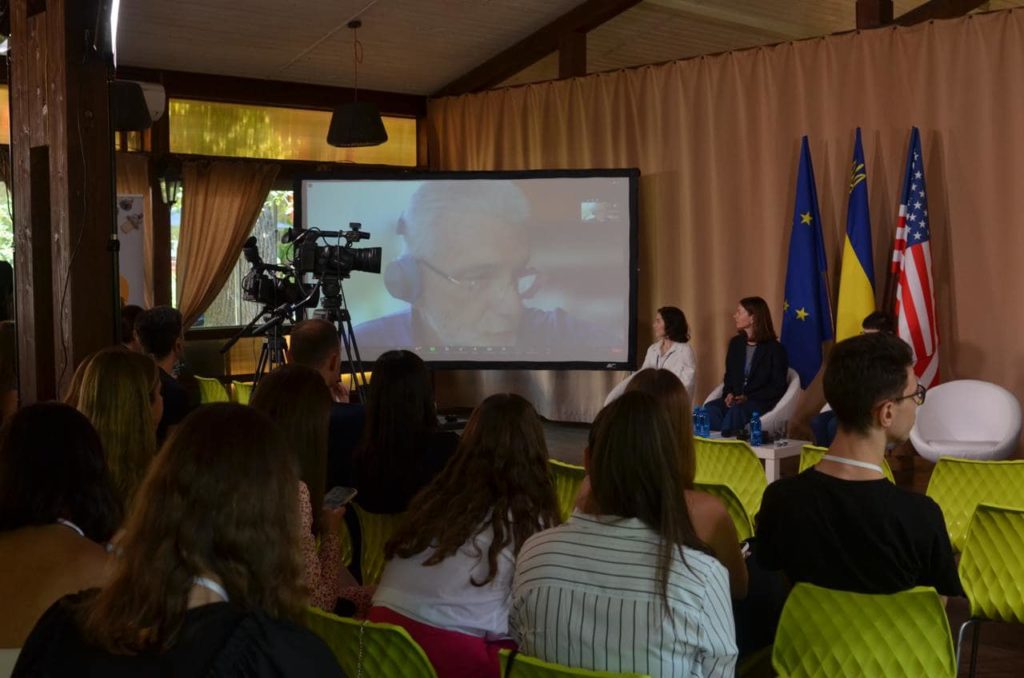
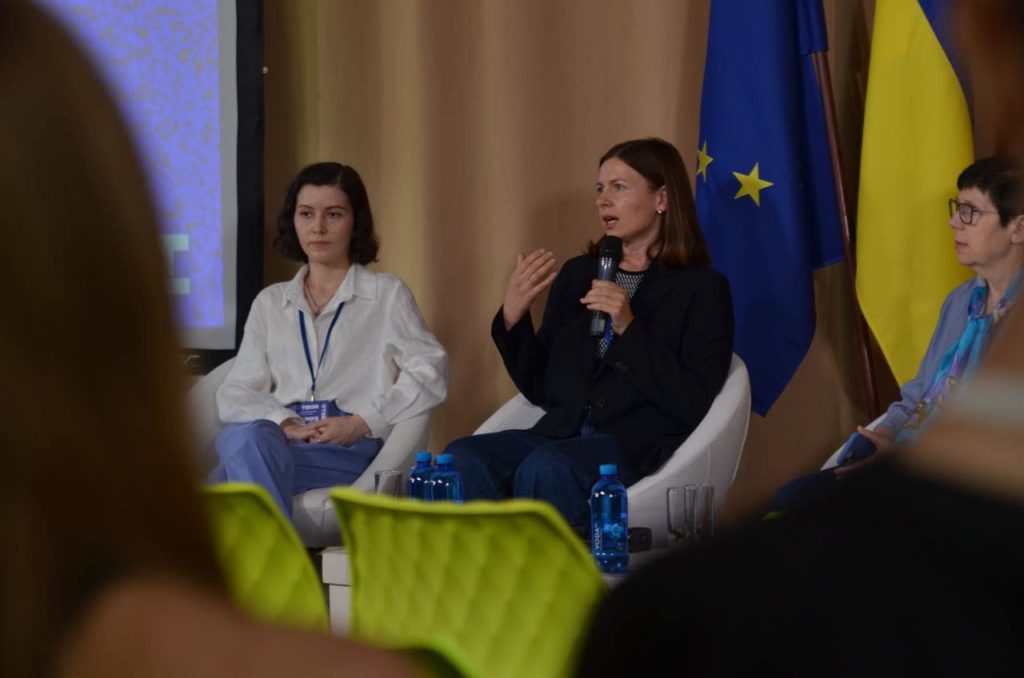
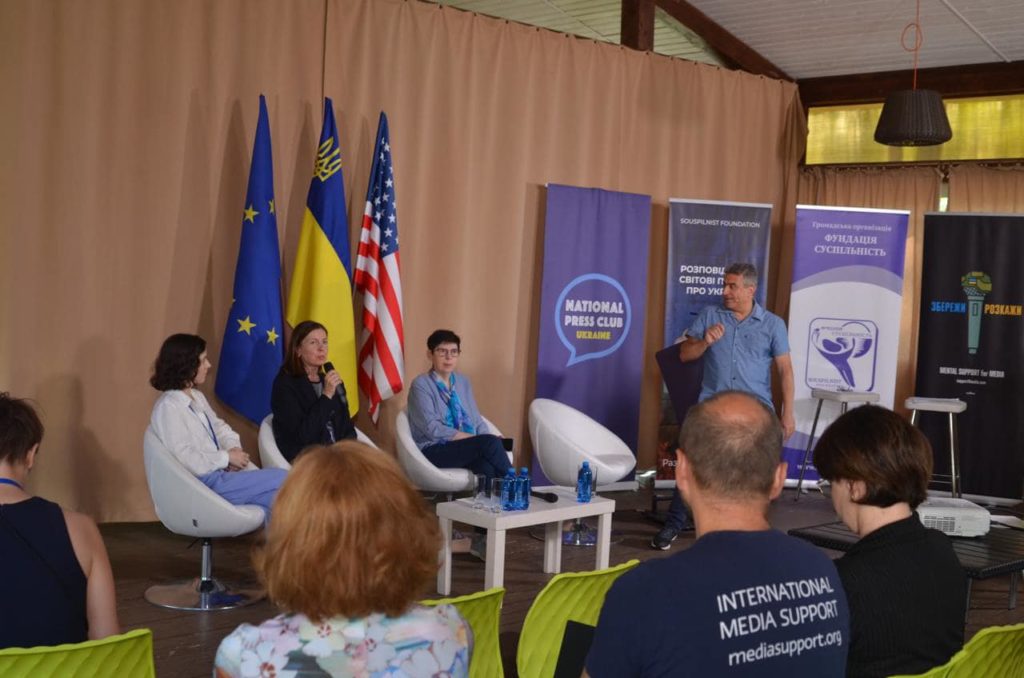
Regarding journalism education, the speakers’ views diverged: some defended the importance of academic education, while others emphasized the necessity of practical experience.
“Education provides the moral imperative, rules, and principles of the profession. Don’t be afraid to miss out on practice, but do attend courses on history, ethics, and international law. Because your editor won’t teach you this. The academic foundation that a university provides is something no one else can give you,” noted Natalia Humeniuk, head of the Public Interest Journalism Lab.
“We need to maintain a balance between practice and theory. After all, even without a basic education, you learn a lot every day,” emphasized Tetiana Kiselchuk, media manager and head of the “Media Management” course. She added that even instructors should be practitioners because only they can effectively teach the next generation of journalists.
“Universities are bureaucratic, so to change something in 5-10 years, we need to take steps toward this today. Over the past 10 years, we’ve managed to achieve a 50/50 balance between theory and practice. Academic education is the foundation, but it’s not everything. Journalists must continue learning throughout their life,” concluded Olha Hresko, associate professor at the Institute of Journalism, Taras Shevchenko National University of Kyiv.
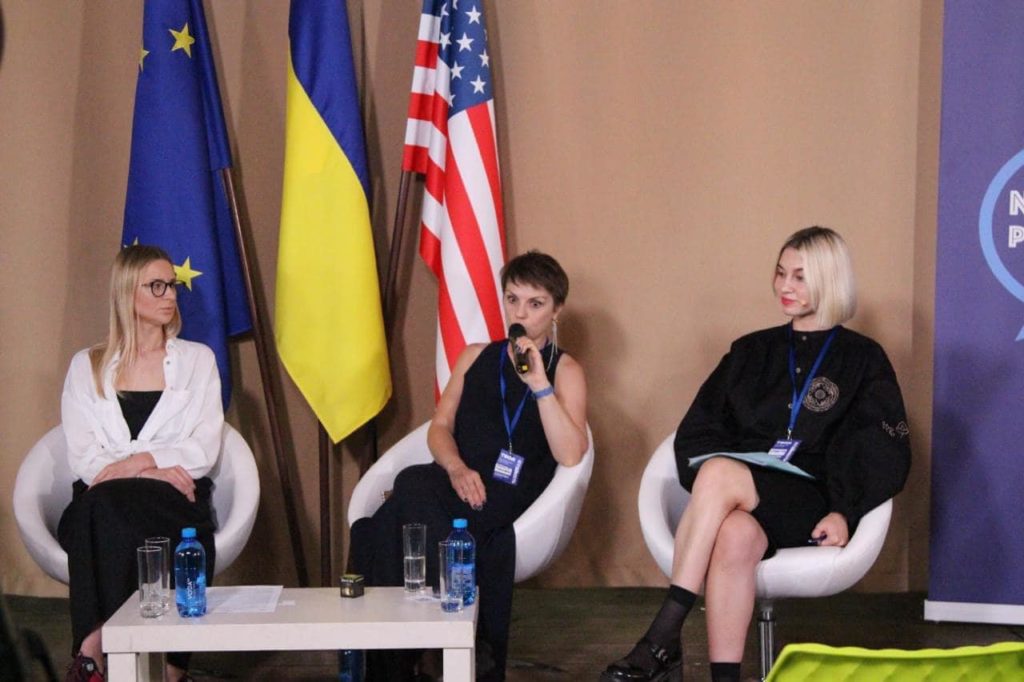
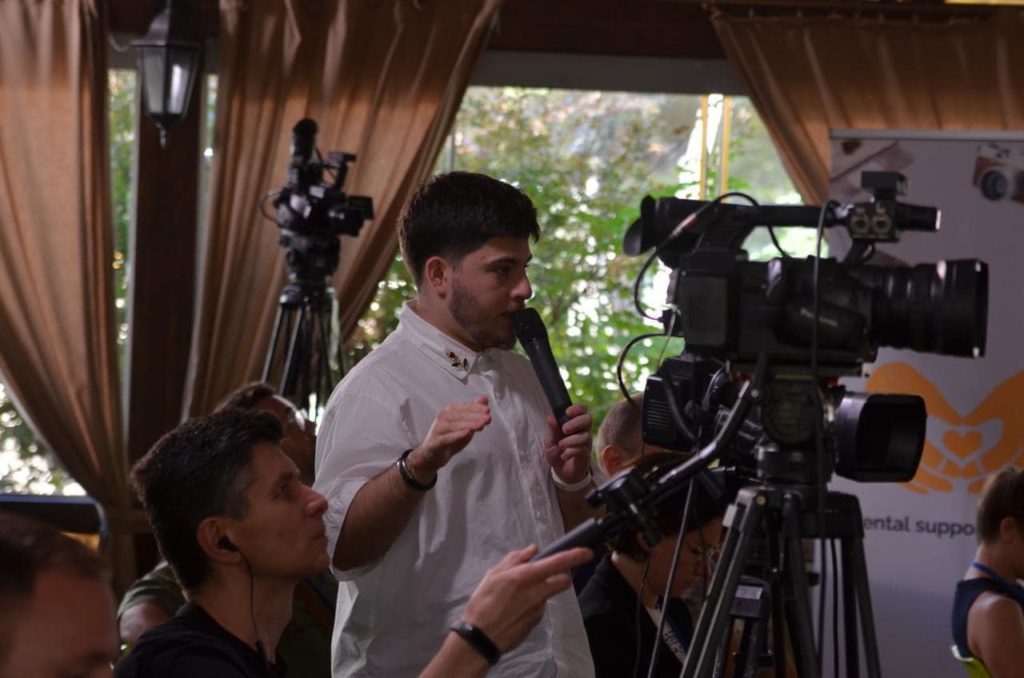
The first two panels were rich with reflections and thoughts about the past, present, and future. We look forward to the next engaging discussions!